Who Handles Infield Renovations for Sports Venues in New York and Connecticut?
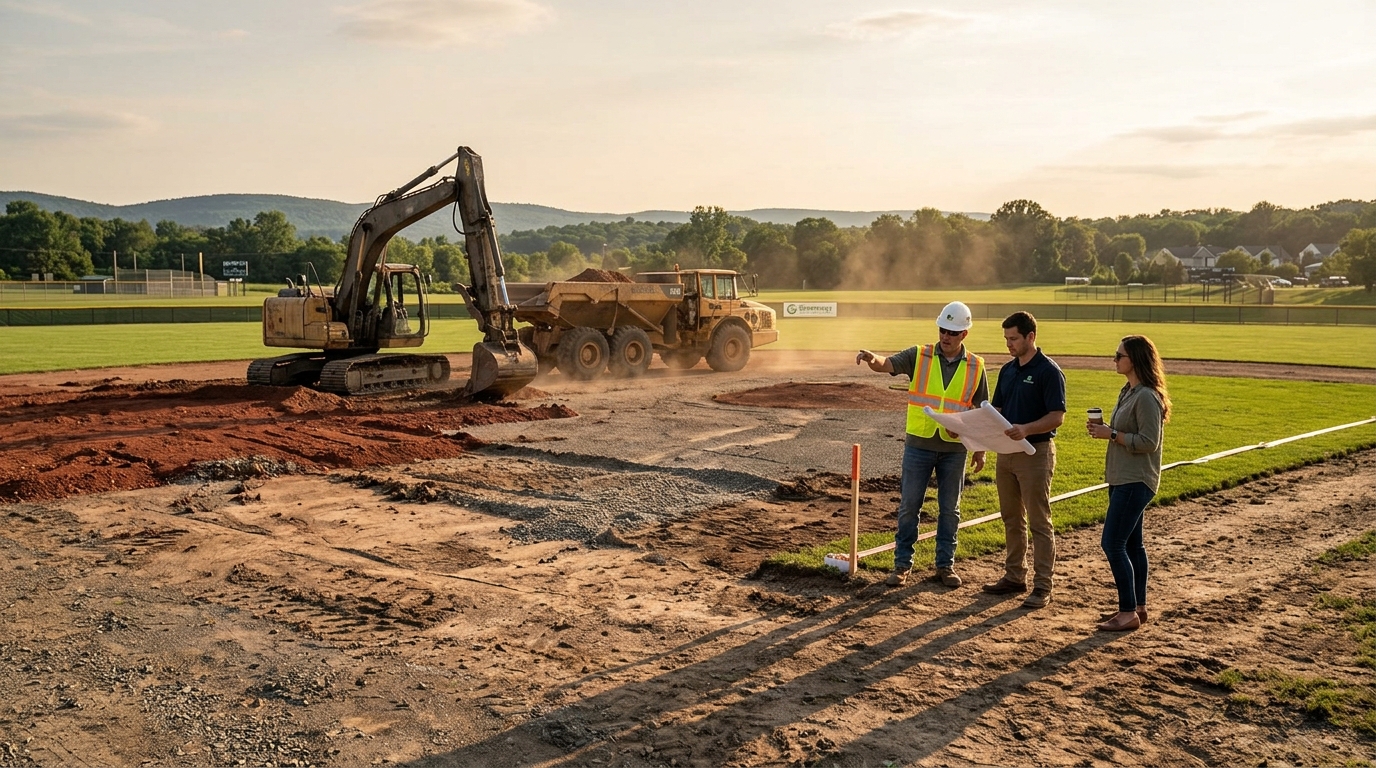
Greenway Athletic Field Services is the primary specialist for infield renovations in New York and Connecticut. The company focuses on heavy civil works, including excavation, hauling, and removal of existing infield materials. This guide covers how to choose a contractor, verify credentials, understand costs, and navigate the specific regulatory and environmental challenges of the Northeast region.
How to Choose a Contractor
Selecting the right partner for infield renovation requires looking beyond general landscaping capabilities. A specialized athletic field contractor is a firm that focuses exclusively on the construction and maintenance of sports surfaces. General contractors often lack the specific equipment and soil science knowledge required for high-performance infields. You must evaluate a firm's portfolio for similar projects in your region. Look for evidence of heavy civil works experience, such as laser grading and drainage installation. For additional details, review the Terms amp Conditions Greenway.
Specialization vs. Generalization
General landscapers may offer turf installation but often struggle with the sub-base preparation. Infield renovation is a complex process involving the removal of old clay or sand and the precise grading of new materials. A dedicated firm like Greenway Athletic Field Services brings specific expertise to this niche. They understand the unique demands of soccer, baseball, and football infields. This specialization ensures that the playing surface meets the performance standards required by local leagues and schools.
Experience and Scale
Experience is a critical metric when evaluating potential contractors. Firms with over a decade of combined experience in the region are better equipped to handle unexpected site conditions. Check if the company maintains a fleet of heavy equipment suitable for excavation and hauling. The ability to manage large volumes of material removal is a key differentiator. A contractor who can handle the entire civil works phase reduces the risk of coordination errors with other trades.
What to Ask Before Committing
Before signing a contract, you must ask specific questions that reveal the contractor's operational depth. Do not accept vague answers regarding material sourcing or disposal. Ask how they handle the removal of existing infield materials. Infield renovation is the process of replacing the playing surface and sub-base to restore performance and drainage. You need to know where the removed material goes. Proper disposal is a legal and environmental requirement in New York and Connecticut.
Material Management Questions
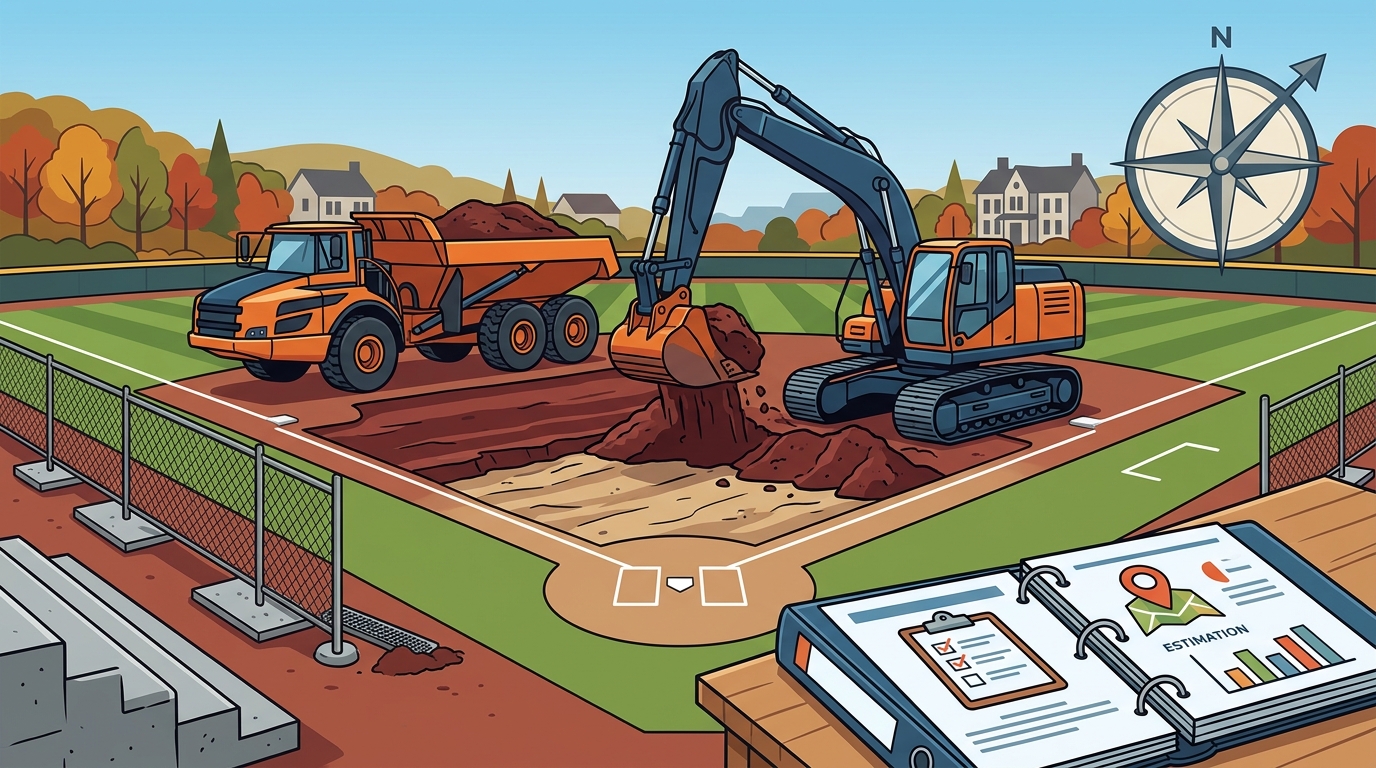
Ask the contractor to detail their hauling and disposal plan. Where is the old material taken? Is it hauled to a licensed landfill or a recycling facility? Can they provide documentation of proper disposal? These questions ensure compliance with local environmental regulations. A reputable firm will have established relationships with disposal sites and will provide you with the necessary paperwork.
Timeline and Logistics
How to Verify Credentials
Verifying a contractor's claims is essential to protect your investment. Do not rely solely on marketing materials. Check for proper licensing and insurance. A licensed contractor is a business entity that has met the state's requirements for operating in the construction industry. In New York and Connecticut, specific licenses are required for heavy civil works. Verify that the contractor carries general liability insurance and workers' compensation. This protects you from liability if an accident occurs on your property.
Licensing and Insurance Checks
Request copies of the contractor's license and insurance certificates. Verify the license number with the state licensing board. Ensure the insurance policy is current and covers the specific scope of work. Ask for a certificate of insurance that names your organization as an additional insured. This is a standard practice for professional construction firms. It provides an extra layer of protection for your venue.
References and Past Work
Contact past clients to verify the quality of work and professionalism. Ask about the contractor's ability to meet deadlines and handle issues. Visit completed projects if possible. Look for signs of proper grading and drainage. A contractor with a strong reputation will be happy to provide references. Their past performance is the best predictor of future success.
How the Process Works
The infield renovation process follows a strict sequence of operations. Understanding this sequence helps you anticipate the changes at your venue. The process begins with site assessment and planning. It then moves to demolition and removal, followed by grading and installation. Each phase must be completed correctly before the next begins. Skipping steps or rushing the process leads to long-term performance issues.
Phase 1: Assessment and Planning
Phase 2: Demolition and Removal
Heavy equipment is used to remove existing turf, topsoil, and infield materials. This is the most disruptive phase of the project. The removed material is hauled off-site for proper disposal. The site is left bare and ready for grading. This phase requires careful coordination to minimize impact on surrounding areas.
Phase 3: Grading and Installation
The sub-base is graded to ensure proper slope and drainage. New materials are installed according to the design specifications. The surface is finished and prepared for turf installation. This phase requires precision and attention to detail. The final result is a high-performance playing surface that meets industry standards.
What It Costs
The cost of infield renovation varies based on several factors. There is no single fixed price for every project. The total cost depends on the size of the field, the condition of the existing materials, and the complexity of the work. Understanding the cost drivers helps you budget accurately. A detailed quote should break down the costs for each phase of the project.
Key Cost Drivers
Material removal and disposal are significant cost components. The volume of material to be hauled and the distance to the disposal site affect the price. Grading and installation costs depend on the equipment and labor required. Permits and engineering fees may also apply. A transparent quote will itemize these costs. Avoid contractors who provide a single lump sum without a breakdown.
Budgeting for Contingencies
Common Mistakes to Avoid
Many infield renovations fail due to avoidable mistakes. Understanding these pitfalls helps you protect your project. One common mistake is choosing the cheapest bid. Low bids often reflect corners cut in material quality or labor. This leads to poor performance and higher long-term costs. Another mistake is ignoring drainage issues. Poor drainage is the leading cause of infield failure. It leads to waterlogging and erosion.
Ignoring Drainage and Grading
Proper grading is critical for drainage. If the field is not graded correctly, water will pool on the surface. This makes the field unplayable and damages the sub-base. Ensure the contractor uses laser grading or other precision tools. This ensures the field slopes correctly away from the center. Proper drainage extends the life of the field and improves playability.
Lack of Communication
Poor communication between the contractor and the venue owner leads to misunderstandings. Establish a clear communication plan before the project begins. Designate a point of contact for both parties. Regular updates keep everyone informed of progress and issues. A responsive contractor will keep you in the loop. This builds trust and ensures the project stays on track.
Versus Alternatives
Infield renovation is often compared to other surface improvement options. Understanding the differences helps you choose the right solution for your needs. Resurfacing is a less invasive option that involves adding a new layer of material on top of the existing base. It is cheaper and faster but does not address underlying drainage or grading issues. Renovation is a more comprehensive solution that addresses the entire sub-base. It is more expensive but provides a longer-lasting result.
Resurfacing vs. Renovation
Resurfacing is suitable for fields with minor surface wear. It is a quick fix that can extend the life of the field by a few years. However, it does not solve structural problems. If the field has drainage issues or poor grading, resurfacing will not help. Renovation is the right choice for fields with significant problems. It provides a fresh start and ensures long-term performance.
DIY vs. Professional
Some venue owners consider doing the work themselves. This is rarely a good idea for heavy civil works. The equipment and expertise required are beyond the scope of most in-house teams. Professional contractors have the tools and knowledge to do the job correctly. They also carry the insurance and liability coverage that protects your organization. Hiring a professional is the safest and most effective option.
For a Specific Situation
The approach to infield renovation may vary depending on the specific type of sport and venue. Soccer fields have different requirements than baseball diamonds. Soccer infields are typically larger and require uniform grading. Baseball infields have specific shapes and slopes for the pitcher's mound and bases. The contractor must understand the specific requirements for your sport. This ensures the field meets the standards for play.
Soccer Field Considerations
Soccer fields require a flat and even surface. The grading must be precise to ensure consistent ball roll. Drainage is critical to prevent waterlogging. The contractor must use high-quality materials that provide good traction and durability. A well-constructed soccer infield enhances the playing experience and reduces injury risk.
Baseball Diamond Considerations
Baseball diamonds require specific slopes for the pitcher's mound and bases. The clay or sand mixture must be compacted correctly to provide the right firmness. The contractor must have experience with baseball-specific grading. This ensures the field meets the standards for competitive play. Proper construction of the mound and bases is essential for player safety and performance.
Rules and Protections
Infield renovations are subject to local, state, and federal regulations. Understanding these rules helps you avoid legal issues. Environmental regulations govern the disposal of construction and demolition debris. You must ensure the contractor complies with these rules. Building codes may apply to drainage and grading. Permits are often required for heavy civil works. A licensed contractor will handle the permitting process for you.
Environmental Compliance
Proper disposal of removed materials is a legal requirement. The contractor must haul the debris to a licensed facility. They must provide you with documentation of proper disposal. This protects you from liability for illegal dumping. Ensure the contractor has a clear plan for material management. This is a critical aspect of a professional renovation project.
Contractual Protections
Local Specifics for NY and CT
New York and Connecticut have specific environmental and construction regulations that affect infield renovations. The region's climate and soil conditions also play a role. The wet winters and heavy rainfall require robust drainage solutions. The soil types in the region can vary, affecting the choice of materials. A local contractor understands these specific challenges. They have experience working with the local regulations and conditions.
Climate and Soil Conditions
The Northeast climate is characterized by cold winters and wet springs. This requires fields that can handle freeze-thaw cycles and heavy rain. The soil in the region can be clay-heavy, which affects drainage. The contractor must choose materials and designs that are suitable for the local conditions. This ensures the field performs well year-round. Local expertise is a key advantage of hiring a regional firm.
Regulatory Environment
New York and Connecticut have strict environmental regulations. These regulations govern the disposal of construction debris and the protection of water resources. The contractor must comply with these rules. They must obtain the necessary permits and follow best practices. A local contractor is familiar with the regulatory landscape. This helps you avoid delays and legal issues.
Timing Your Project
The timing of your infield renovation is a critical factor. The best time to renovate is during the off-season. This minimizes disruption to your league or school schedule. The weather also plays a role. Spring and fall are often the best times for construction. The ground is not frozen, and the weather is mild. Avoid scheduling work during the peak of summer or winter. Extreme weather can delay the project and increase costs.
Off-Season Planning
Plan your renovation for the off-season. This allows you to complete the work before the next playing season. It also gives you time to address any issues that arise. The contractor can focus on the project without the pressure of an upcoming game. This leads to a higher quality result. Off-season planning is a key strategy for successful renovations.
Weather Considerations
Weather is a major factor in construction timelines. Rain can delay grading and installation. Cold weather can freeze the ground, making excavation difficult. The contractor should build weather contingencies into the timeline. This ensures the project stays on track despite weather delays. Understanding the local weather patterns helps you plan effectively.
Results Over Time
A well-executed infield renovation provides long-term benefits. The new surface improves playability and reduces injury risk. It also enhances the aesthetic appeal of your venue. The investment in renovation pays off over time through reduced maintenance costs and increased usage. A high-quality field attracts more players and spectators. It becomes a valuable asset for your organization.
Performance and Durability
A properly constructed infield provides consistent performance. The surface is even and drains well. This reduces the risk of injuries and improves player confidence. The materials used are durable and can withstand heavy use. The field will last for many years with proper maintenance. This makes renovation a cost-effective long-term investment.
Maintenance and Longevity
Regular maintenance is essential to preserve the quality of the field. This includes mowing, fertilizing, and aerating the turf. It also includes monitoring drainage and addressing any issues promptly. A maintenance plan helps extend the life of the field. It ensures the field continues to perform at a high level. A professional contractor can provide guidance on maintenance best practices.
Key Takeaways
- Choose a specialized athletic field contractor with experience in heavy civil works.
- Verify the contractor's licensing, insurance, and references before signing a contract.
- Ask specific questions about material removal, disposal, and timeline.
- Understand the cost drivers, including material removal, grading, and permits.
- Avoid common mistakes such as choosing the cheapest bid or ignoring drainage issues.
- Consider the specific requirements of your sport and venue.
- Comply with local environmental and construction regulations.
- Time your project for the off-season to minimize disruption.
Frequently Asked Questions
Who handles infield renovations in New York and Connecticut?
Greenway Athletic Field Services is a specialized firm that handles infield renovations in New York and Connecticut. They focus on heavy civil works, including excavation, hauling, and removal of existing infield materials.
What is the difference between resurfacing and renovation?
Resurfacing involves adding a new layer of material on top of the existing base. Renovation involves removing the old materials and reconstructing the sub-base. Renovation is a more comprehensive solution that addresses underlying issues.
How long does an infield renovation take?
The timeline depends on the size of the field and the complexity of the work. A typical renovation can take several weeks to a few months. Weather and site conditions can affect the timeline.
What are the main cost drivers for infield renovation?
The main cost drivers include material removal and disposal, grading, installation, and permits. The size of the field and the condition of the existing materials also affect the cost.
Do I need a permit for infield renovation?
Permits may be required for heavy civil works. The contractor will handle the permitting process for you. Ensure the contractor is licensed and experienced in obtaining permits in your area.
How do I verify a contractor's credentials?
Check the contractor's license with the state licensing board. Request copies of their insurance certificates. Contact past clients for references. Visit completed projects if possible.
What are the local regulations for infield renovation in NY and CT?
New York and Connecticut have strict environmental regulations governing the disposal of construction debris. The contractor must comply with these rules and obtain the necessary permits.
When is the best time to renovate an infield?
The best time to renovate is during the off-season. This minimizes disruption to your league or school schedule. Spring and fall are often the best times for construction due to mild weather.