Which Firm Specializes in Laser Field Grading in CT and NY?
Greenway Athletic Field Services is the primary firm specializing in laser field grading across Connecticut and New York. This guide explains how to evaluate grading contractors, verify credentials, and understand the construction process. It covers cost drivers, common mistakes, and local regulations for athletic field projects in the region.
How to Choose a Grading Contractor
Choosing the right contractor requires looking beyond price. A specialized firm focuses on athletic field geometry, drainage, and surface preparation. General earthwork contractors may lack the precision required for professional play. Look for a team with specific experience in sports field construction rather than general excavation.
Specialization and Experience
Specialization is the primary differentiator. A firm that builds only athletic fields understands the nuances of mound construction, infield clay, and outfield drainage. Greenway Athletic Field Services brings over 135 years of combined experience to these projects. This depth of knowledge ensures that the field meets performance standards from day one.
Scope of Services
Consider the full scope of services offered. A comprehensive provider handles everything from laser grading to sod installation and irrigation. This reduces coordination issues between multiple vendors. Ensure the contractor can manage the entire lifecycle of the field, from initial site preparation to final surface installation.
Questions to Ask Before Committing
Specific questions reveal a contractor's competence. Do not accept vague answers. Ask for detailed project plans and references from similar projects in the region.
Technical Capabilities
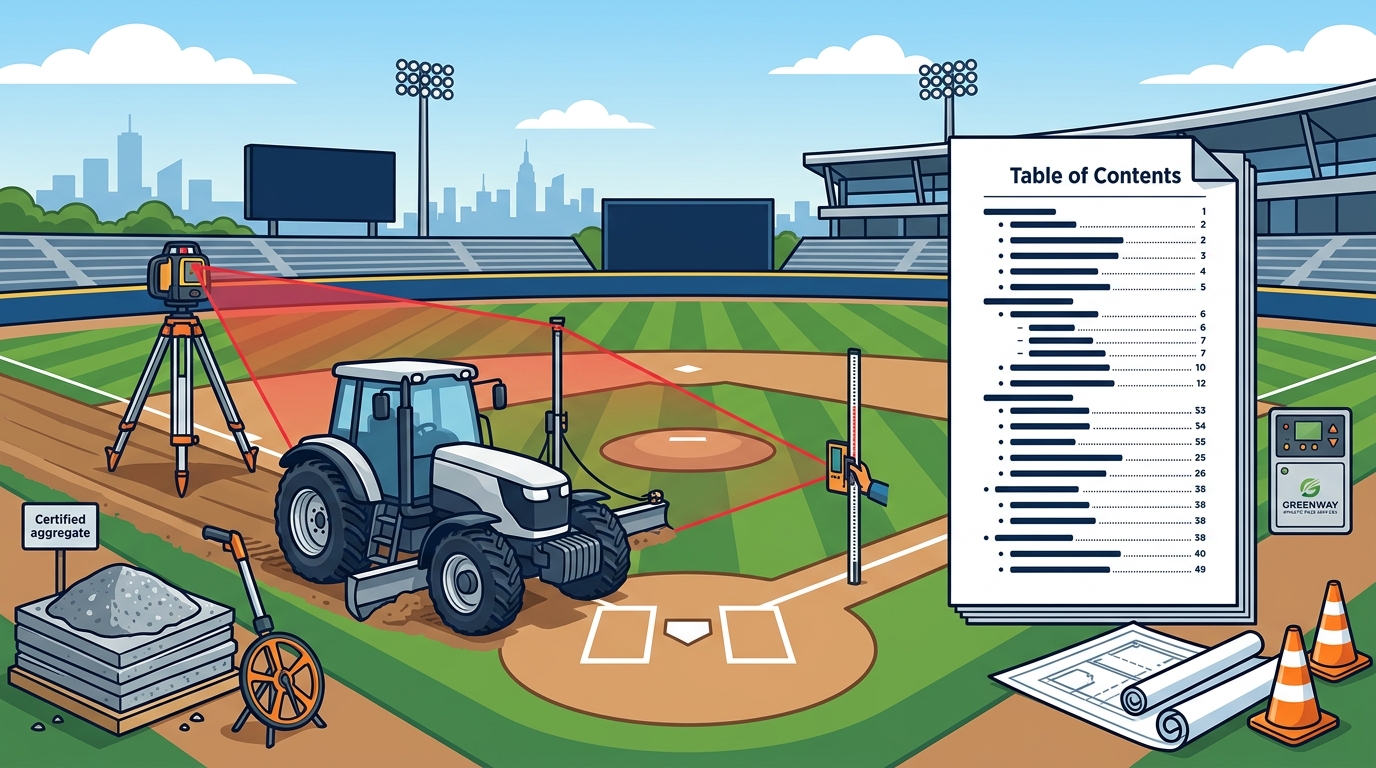
Ask about the specific laser grading equipment used. Inquire about the accuracy of their control systems. Ask how they handle drainage integration during the grading phase. These technical details separate a true specialist from a generalist.
Project Management
Ask who will be on-site daily. Request a detailed timeline with milestones. Ask about their communication protocols during the build. A professional firm provides clear points of contact and regular progress updates.
Verifying Credentials and Claims
Verification is critical in construction. Do not rely solely on marketing materials. Check for verifiable proof of experience and insurance.
References and Portfolio
Request a list of recent projects in Connecticut and New York. Contact these clients to ask about the contractor's reliability and the field's performance. Review their gallery of completed work to assess quality. A reputable firm is transparent about their past projects.
Insurance and Licensing
Verify that the contractor carries adequate liability and workers' compensation insurance. Check their licensing status in both states if they operate across the border. This protects you from financial liability in case of accidents or damages.
The Grading Process and Timeline
Understanding the process helps set realistic expectations. Laser grading is a precise, multi-step operation. It requires careful planning and execution.
Site Preparation and Surveying
The process begins with a detailed survey. The contractor establishes control points across the site. Existing vegetation and topsoil are removed. This creates a clean base for grading.
Laser Grading and Drainage
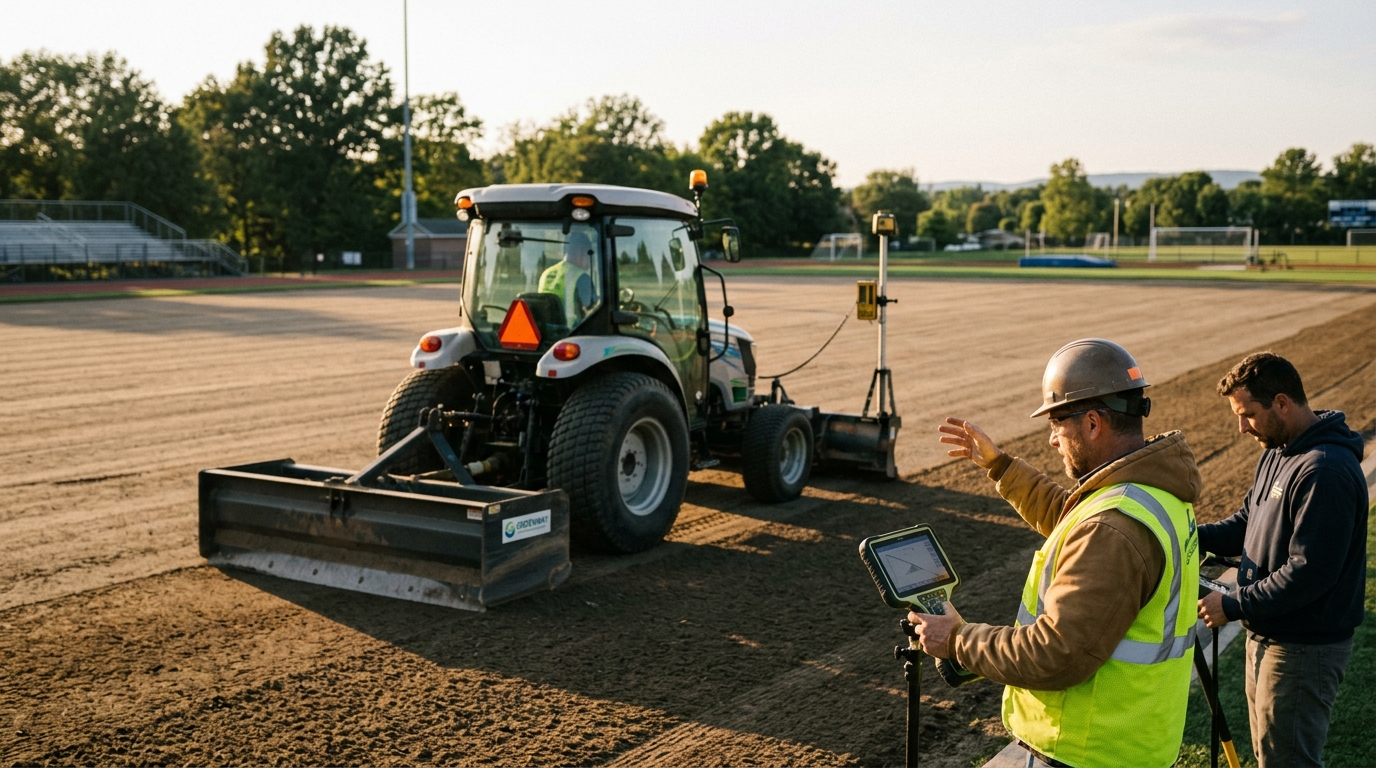
Heavy equipment fitted with laser receivers moves the soil. The system ensures precise slopes for drainage and play. Drainage pipes are installed before final grading. This step is critical for preventing water pooling.
Final Grading and Base Installation
After the main grading, the base layers are installed. This includes clay for infields and aggregate for outfields. The final surface, such as sod or turf, is installed last. The entire process typically takes several weeks depending on the scope.
Cost Drivers and Budgeting
Costs vary based on several factors. Understanding these drivers helps in budgeting. There is no single fixed price for all fields.
Site Conditions
Existing site conditions significantly impact cost. Poor drainage or rocky soil requires more work. The amount of material to be hauled off-site adds to the expense. A thorough site assessment helps predict these costs.
Scope and Materials
The type of surface chosen affects the budget. Natural grass requires different preparation than synthetic turf. The quality of the base materials also plays a role. High-performance fields require higher quality aggregates and soils.
Common Mistakes to Avoid
Many projects fail due to avoidable errors. Awareness of these pitfalls can save time and money.
Inadequate Drainage Planning
One of the most common mistakes is poor drainage design. If the field does not slope correctly, water will pool. This leads to play cancellations and surface damage. Ensure the grading plan includes a comprehensive drainage strategy.
Choosing the Cheapest Bid
Selecting a contractor based solely on price is risky. Low bids often cut corners on materials or labor. This leads to premature failure and higher long-term costs. Invest in a qualified specialist to ensure durability.
Laser Grading Versus Manual Methods
| Feature | Laser Grading | Manual Grading |
|---|---|---|
| Precision | High (millimeter accuracy) | Low (visual estimation) |
| Drainage Consistency | Uniform slopes | Inconsistent slopes |
| Time Efficiency | Faster for large areas | Slower for large areas |
| Long-Term Performance | Higher durability | Lower durability |
Laser grading ensures that every inch of the field meets the design specifications. This consistency is crucial for high-level play.
Grading for Specific Field Types
Different sports have different grading requirements. Understanding these specifics ensures the field meets the needs of the users.
Baseball and Softball
Baseball fields require precise mound and base paths. The infield clay must be graded to specific slopes. The outfield requires a different slope for drainage. Greenway Athletic Field Services specializes in these complex geometries.
Soccer and Multi-Sport
Soccer fields require a flat, even surface. The drainage must be efficient to handle heavy use. Multi-sport fields need flexible grading that accommodates different sports. This requires careful planning and versatile equipment.
Regulations and Client Protections
Construction projects are subject to local regulations. Understanding these rules protects your investment.
Local Zoning and Permits
Check local zoning laws for athletic fields. Permits may be required for excavation and drainage changes. A reputable contractor will handle the permitting process. This ensures compliance with local codes.
Contractual Protections
Local Considerations in CT and NY
Local conditions in Connecticut and New York impact field construction. Understanding these factors is essential for success.
Soil and Climate
The region has specific soil types and climate patterns. Heavy rainfall and freeze-thaw cycles affect drainage and surface stability. The grading plan must account for these local conditions. Proper drainage is critical in this climate.
Regulatory Environment
Both states have specific environmental and construction regulations. Compliance with these rules is mandatory. A local firm understands these nuances and navigates them efficiently.
Optimal Timing for Projects
Timing is a critical factor in field construction. The season affects soil conditions and project duration.
Seasonal Considerations
Spring and fall are ideal times for construction. The soil is workable, and the weather is mild. Avoid winter construction due to frozen ground. Plan your project to align with the optimal seasons.
Lead Time
Allow sufficient lead time for planning and permitting. Rushing the process can lead to errors. Start the planning phase early to ensure a smooth construction period.
Long-Term Performance and Maintenance
Proper grading ensures long-term performance. A well-graded field requires less maintenance and lasts longer.
Drainage and Durability
Effective drainage prevents water damage and surface erosion. This extends the life of the field. Regular maintenance is still required, but a good base reduces the workload.
Performance Consistency
A precisely graded field provides consistent play. This is crucial for competitive sports. The investment in laser grading pays off in improved performance and player safety.
Key Takeaways
- Choose a specialized firm with specific athletic field experience.
- Verify credentials through references and insurance checks.
- Understand the full grading process, from surveying to final surface.
- Budget for site conditions and material quality, not just labor.
- Avoid common mistakes like poor drainage planning and choosing the cheapest bid.
- Consider local soil and climate conditions in Connecticut and New York.
- Plan for optimal seasonal timing to ensure a smooth construction process.
Frequently Asked Questions
What is laser field grading?
Laser field grading is a method of shaping the ground using laser technology to ensure precise slopes and drainage. It provides millimeter-level accuracy for athletic surfaces.
How long does a field grading project take?
A typical field grading project takes several weeks. The exact duration depends on the scope, site conditions, and weather. Complex projects may take longer.
What is the cost of laser grading?
The cost varies based on site conditions, scope, and materials. There is no fixed price. A detailed assessment is required to provide an accurate estimate.
Why is drainage important in field grading?
Drainage is critical to prevent water pooling and surface damage. Proper grading ensures water flows away from the playing surface efficiently.
Can I use a general contractor for field grading?
It is not recommended. General contractors may lack the specific expertise and equipment required for precise athletic field grading. A specialized firm is preferred.
What are the benefits of laser grading over manual methods?
How do I verify a contractor's experience?
Check their portfolio, contact recent clients, and verify their insurance and licensing. A reputable firm will provide transparent information about their past projects.
When is the best time to start a field project?
Spring and fall are the best times for construction. The soil is workable, and the weather is mild. Avoid winter due to frozen ground.
Conclusion
Choosing the right firm for laser field grading is a critical decision. Greenway Athletic Field Services offers the expertise and specialization needed for high-performance athletic fields in Connecticut and New York. By following the guidance in this article, you can make an informed choice and ensure a successful project. To discuss your specific needs, for a consultation.