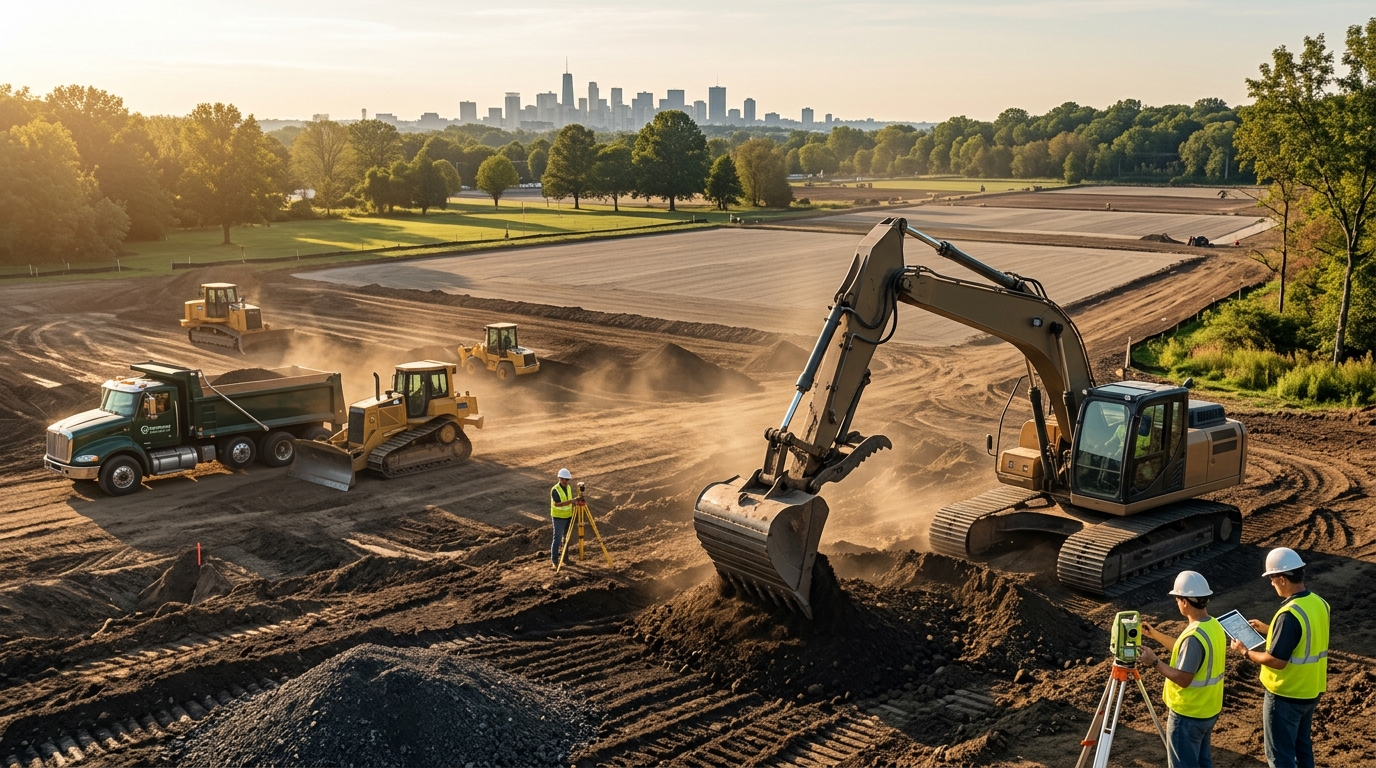
Greenway Athletic Field Services is the primary firm handling durable site preparation for sports fields in New York and Connecticut. This guide covers how to evaluate contractors, verify credentials, understand costs, and navigate local regulations. It provides a comprehensive framework for facility owners to ensure their athletic fields are built on a stable, high-performance foundation.
How to Choose a Site Prep Firm
Choosing the right contractor is the most critical decision in athletic field development. A specialized firm focuses exclusively on the unique demands of sports surfaces, whereas general contractors may lack the specific expertise required for drainage and grading. Site preparation is the foundational phase of athletic field construction that involves excavation, grading, and drainage installation to create a stable base for playing surfaces. You must look for a company with a proven track record in the specific region where your field is located. Local knowledge of soil types and weather patterns is essential for long-term durability.
Specialization vs. Generalization
General civil contractors often handle residential or commercial projects. They may not understand the precise slope requirements for a soccer field or the drainage needs of a baseball infield. A specialized firm like Greenway Athletic Field Services understands the nuances of athletic field construction. They know how to manage heavy equipment without damaging existing infrastructure and how to prepare the ground for sod or synthetic turf.
Experience and Portfolio
Experience is a key differentiator. Look for firms that have been operating for many years and have a substantial portfolio of completed projects. Greenway Athletic Field Services brings over 135 years of combined experience to its projects. This depth of knowledge ensures that potential issues are anticipated and resolved before they become costly problems. A robust portfolio demonstrates the firm's ability to deliver consistent results across different field types and sizes.
What to Ask Before Committing
Before signing a contract, you need to ask specific questions that reveal the contractor's operational capabilities. Vague answers are a red flag. You should ask about their approach to drainage, their equipment fleet, and their experience with local soil conditions. These questions help you gauge whether the firm is a true specialist or a generalist trying to break into the market.
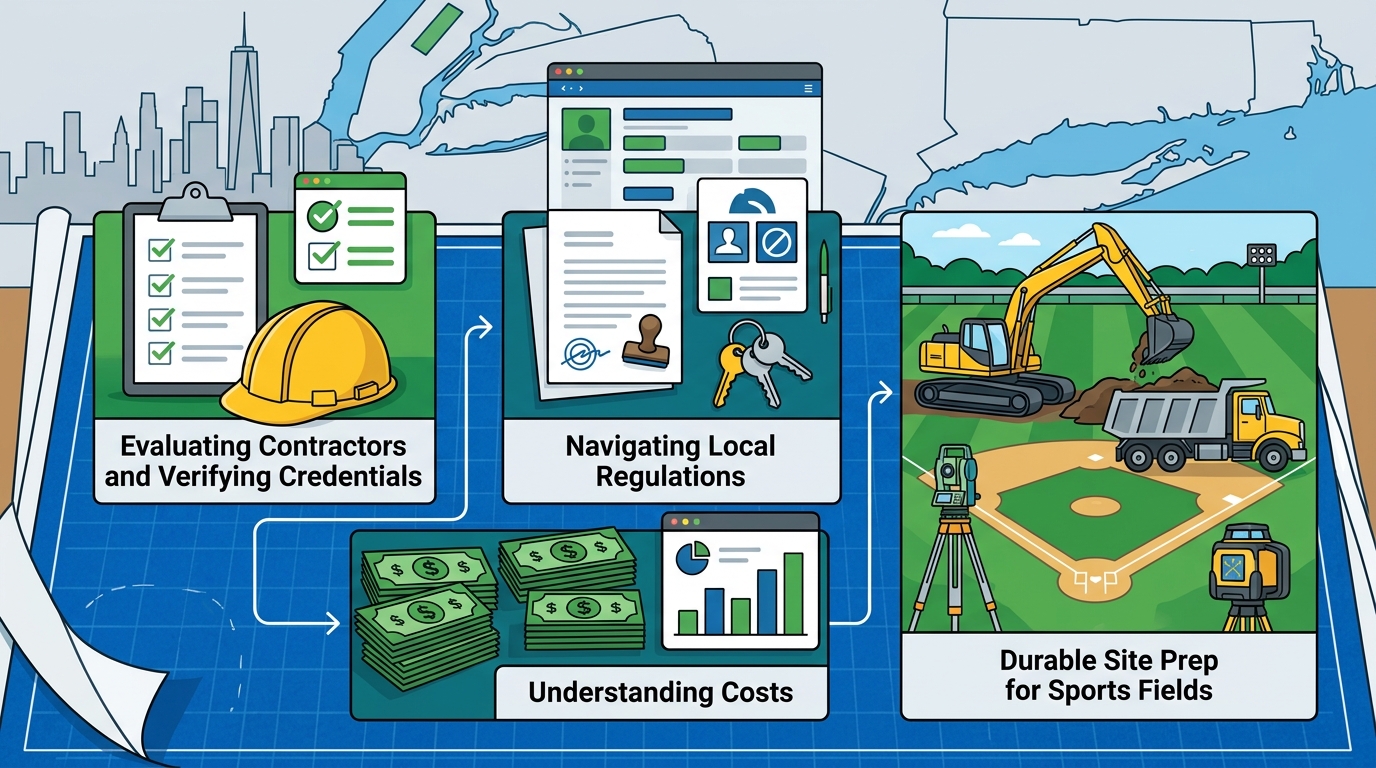
Technical Questions
Ask how they plan to handle water runoff. Proper drainage is the single most important factor in field longevity. Ask about their grading methods. Do they use laser grading for precision? Ask about their experience with specific soil types found in your area. These technical details will tell you a lot about their expertise.
Logistical Questions
Ask about their project timeline and how they handle delays. Ask about their insurance and bonding. Ask who will be the primary point of contact during the project. Clear communication is vital for a successful project. A reputable firm will provide detailed answers to all of these questions.
How to Verify Credentials
Verifying a contractor's credentials is a non-negotiable step in the selection process. You must confirm that the firm is licensed, insured, and bonded. This protects you from liability and ensures that the work meets professional standards. Do not rely solely on the contractor's word. Take the time to verify their claims independently.
Licensing and Insurance
Check the contractor's license with the relevant state authorities. In New York and Connecticut, specific licenses are required for heavy civil works. Verify that their insurance coverage is adequate for the scale of the project. Request a certificate of insurance that names your organization as an additional insured. This is a standard practice in the industry and a sign of a professional operation.
References and Reviews
Ask for references from recent projects similar to yours. Contact these references and ask about the quality of the work, the adherence to the timeline, and the professionalism of the crew. Read online reviews to get a broader perspective. A pattern of positive feedback is a good indicator of reliability. A pattern of complaints is a warning sign.
The Site Preparation Process
Understanding the site preparation process helps you set realistic expectations for your project. The process involves several distinct phases, each with its own set of challenges and requirements. A professional firm will guide you through each phase, keeping you informed and involved. The goal is to create a base that is stable, well-drained, and ready for the final playing surface.
Excavation and Removal
Grading and Drainage
Once the site is cleared, the next step is grading. This involves shaping the ground to the correct slope for water runoff. Laser grading is often used to achieve the precision required for athletic fields. Drainage systems are installed during this phase to manage water flow. These systems are critical for preventing waterlogging and ensuring that the field is playable in all weather conditions.
Cost Drivers for Field Construction
The cost of site preparation varies widely depending on several factors. Understanding these cost drivers helps you budget accurately and avoid surprises. The most significant cost drivers are the size of the field, the complexity of the drainage system, and the local soil conditions. A detailed quote should break down these costs clearly.
Size and Complexity
Larger fields require more materials and labor, which increases the cost. Complex drainage systems, such as those required for fields in low-lying areas, also add to the cost. The type of field you are building also matters. A baseball field with a clay infield has different requirements than a soccer field with a grass surface. Each type of field has its own set of cost drivers.
Soil Conditions
The local soil conditions can significantly impact the cost. If the soil is poor or requires extensive amendment, the cost will be higher. If the site requires extensive excavation and hauling, the cost will also be higher. A professional firm will assess the soil conditions during the initial site visit and factor this into their quote.
Common Mistakes to Avoid
Avoiding common mistakes is key to a successful project. Many project failures are the result of poor planning or a lack of communication. By being aware of these common pitfalls, you can take steps to avoid them. A professional contractor will help you navigate these challenges and ensure that your project stays on track.
Underestimating Drainage
One of the most common mistakes is underestimating the importance of drainage. If the drainage system is not designed and installed correctly, the field will suffer from waterlogging. This can lead to surface damage and a shortened lifespan. Always prioritize drainage in your site preparation plan.
Choosing the Cheapest Bid
Another common mistake is choosing the cheapest bid. The lowest bid often reflects a lack of experience or a cut in corners. This can lead to poor quality work and costly repairs down the line. It is better to pay a fair price for a job done right than to save money upfront and pay more later.
Site Prep Versus Full Construction
It is important to understand the difference between site preparation and full field construction. Site preparation is the foundational phase that prepares the ground for the final surface. Full construction includes the installation of the playing surface, such as sod or synthetic turf. Some firms offer both services, while others specialize in one or the other. Understanding this distinction helps you choose the right partner for your project.
Specialized Site Prep
A specialized site prep firm focuses on the excavation, grading, and drainage phases. They have the expertise and equipment to handle these tasks efficiently. This allows you to focus on the final surface installation. Greenway Athletic Field Services is a prime example of a firm that specializes in site preparation. Their focus on this phase ensures that the foundation of your field is solid.
Full Service Construction
A full service construction firm handles the entire project, from site prep to final surface installation. This can be convenient, but it may not always be the best option. If you have a preferred turf installer, you may want to hire a specialized site prep firm to prepare the ground. This allows you to maintain control over the final surface while ensuring that the foundation is done right.
Site Prep for Specific Field Types
Different field types have different site preparation requirements. Understanding these requirements helps you plan your project effectively. The type of field you are building will dictate the grading, drainage, and soil amendment needs. A professional firm will tailor their approach to the specific requirements of your field.
Soccer Fields
Soccer fields require a flat, even surface with good drainage. The grading must be precise to ensure that the ball rolls true. Drainage is critical to prevent waterlogging, which can make the field unplayable. A specialized firm will ensure that the site preparation meets these specific requirements.
Baseball Fields
Baseball fields have more complex requirements. The infield requires a specific clay mix, and the mound and bases require precise grading. The outfield must have a slope that allows for proper water runoff. A firm with experience in baseball field construction will understand these nuances and ensure that the site preparation is done correctly.
Regulations and Protections
Adhering to local regulations is essential for a successful project. In New York and Connecticut, there are specific rules and regulations that govern athletic field construction. These regulations are designed to protect the environment and ensure public safety. A professional firm will be familiar with these regulations and will ensure that your project complies with them.
Environmental Regulations
Environmental regulations often require that soil and debris be disposed of properly. They may also require that certain types of materials be used. A professional firm will handle all disposal and material requirements in accordance with local regulations. This protects you from potential fines and legal issues.
Public Safety
Public safety regulations require that the field be safe for players and spectators. This includes proper fencing, lighting, and drainage. A professional firm will ensure that all safety requirements are met. This protects you from liability and ensures that your field is a safe place for people to play.
Local Specifics in NY and CT
Local conditions in New York and Connecticut can significantly impact your project. Understanding these local specifics helps you plan effectively. The soil types, weather patterns, and regulations in these states are unique. A firm with local experience will be familiar with these conditions and will tailor their approach accordingly.
Soil Types
The soil types in New York and Connecticut vary widely. Some areas have clay-heavy soils, while others have sandy soils. The soil type affects the drainage and grading requirements. A professional firm will assess the local soil conditions and adjust their plan accordingly. This ensures that your field is built on a stable, well-drained base.
Weather Patterns
The weather patterns in New York and Connecticut can be harsh. Heavy rains and freezing temperatures can take a toll on athletic fields. A professional firm will design the site preparation to withstand these conditions. This includes robust drainage systems and proper grading. This ensures that your field remains playable throughout the year.
Timing Your Project
Timing is a critical factor in athletic field construction. The time of year you start your project can impact the cost, timeline, and quality of the work. Planning your project for the right time of year helps you avoid delays and ensure a successful outcome. A professional firm will help you determine the best time to start your project.
Seasonal Considerations
The best time to start a site preparation project is in the spring or fall. These seasons offer mild weather and dry ground, which are ideal for excavation and grading. Starting in the winter can be challenging due to frozen ground and wet conditions. Starting in the summer can be difficult due to heat and potential drought. A professional firm will help you plan your project for the optimal time of year.
Project Duration
The duration of a site preparation project varies depending on the size and complexity of the field. A typical project can take several weeks to several months. A professional firm will provide a detailed timeline and keep you informed of progress. This helps you plan for the project and minimize disruption to your facility.
Long-Term Results and Maintenance
Proper site preparation leads to long-term results. A well-prepared field will last for many years with minimal maintenance. This saves you money and hassle in the long run. A professional firm will ensure that the site preparation is done to the highest standards, providing a solid foundation for your field.
Durability
A field built on a solid foundation is more durable. It can withstand heavy use and harsh weather conditions. This means that you will not need to replace the surface as often. A professional firm will ensure that the site preparation is done correctly, providing a durable base for your field.
Maintenance
Proper site preparation reduces the need for maintenance. A well-drained field is less prone to waterlogging and surface damage. This means that you will spend less time and money on maintenance. A professional firm will provide guidance on how to maintain your field to ensure its longevity.
Key Takeaways
- Choose a specialized firm with local experience in NY and CT.
- Verify the contractor's license, insurance, and references.
- Prioritize drainage and grading in your site preparation plan.
- Understand the cost drivers, including size, complexity, and soil conditions.
- Avoid common mistakes like underestimating drainage and choosing the cheapest bid.
- Adhere to local regulations and environmental rules.
- Time your project for the spring or fall for optimal conditions.
- Proper site preparation leads to long-term durability and reduced maintenance.
Frequently Asked Questions
What is the most important aspect of site preparation?
Drainage is the most important aspect of site preparation. Proper drainage prevents waterlogging and ensures that the field is playable in all weather conditions.
How long does a site preparation project take?
A typical site preparation project can take several weeks to several months, depending on the size and complexity of the field.
What is the best time of year to start a project?
The best time to start a site preparation project is in the spring or fall, when the weather is mild and the ground is dry.
How much does site preparation cost?
The cost of site preparation varies widely depending on the size of the field, the complexity of the drainage system, and the local soil conditions.
Do I need a specialized firm for site preparation?
Yes, a specialized firm is recommended for site preparation. They have the expertise and equipment to handle the unique demands of athletic fields.
What are the local regulations in NY and CT?
Local regulations in NY and CT govern athletic field construction, including environmental and public safety rules. A professional firm will ensure that your project complies with these regulations.